
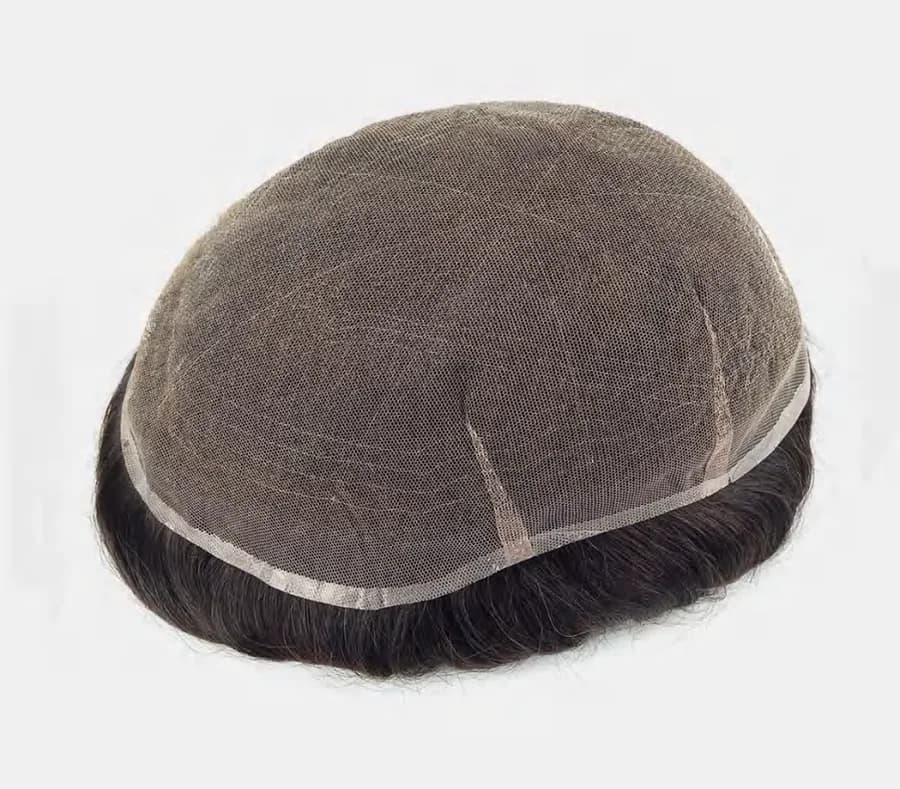
 lace base
10 Systems · From $179
Lace Hair Systems for Men — French & Swiss Lace
The breathable base, and the one that wins at an exposed hairline. Lace is a fine mesh with each hair tied into it by hand — which is why the front edge disappears against skin instead of sitting on it.
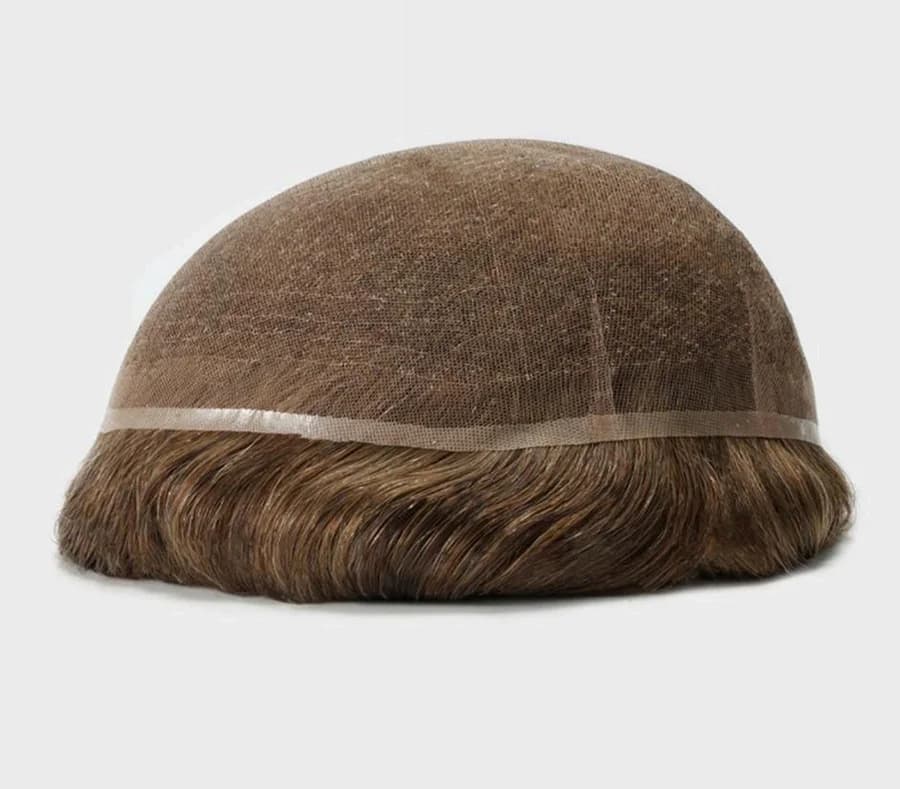
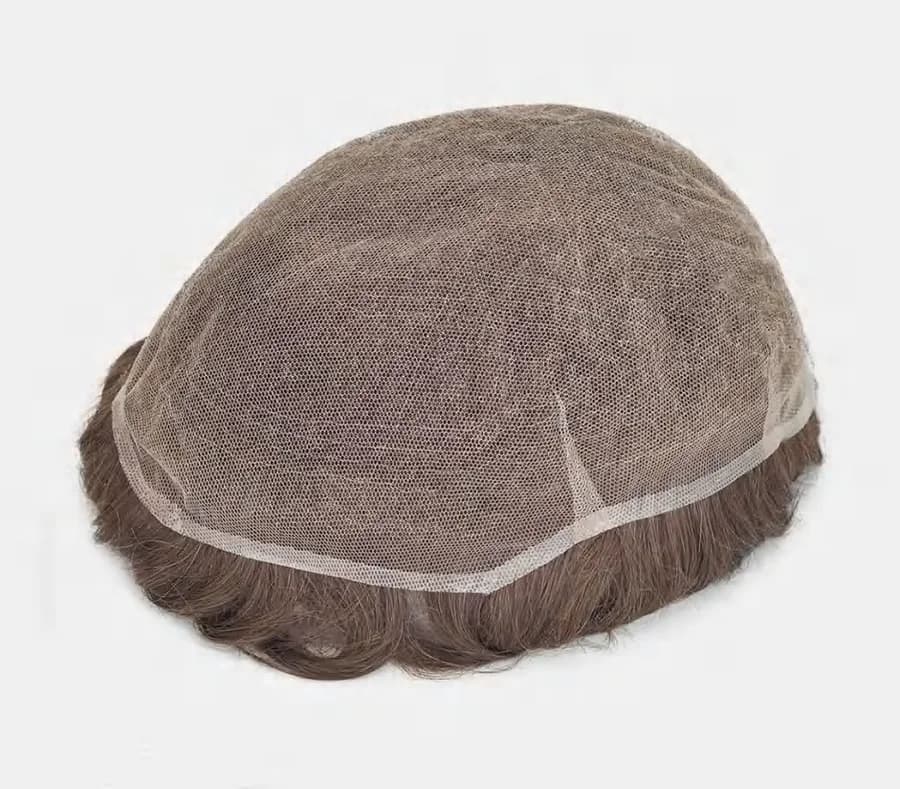
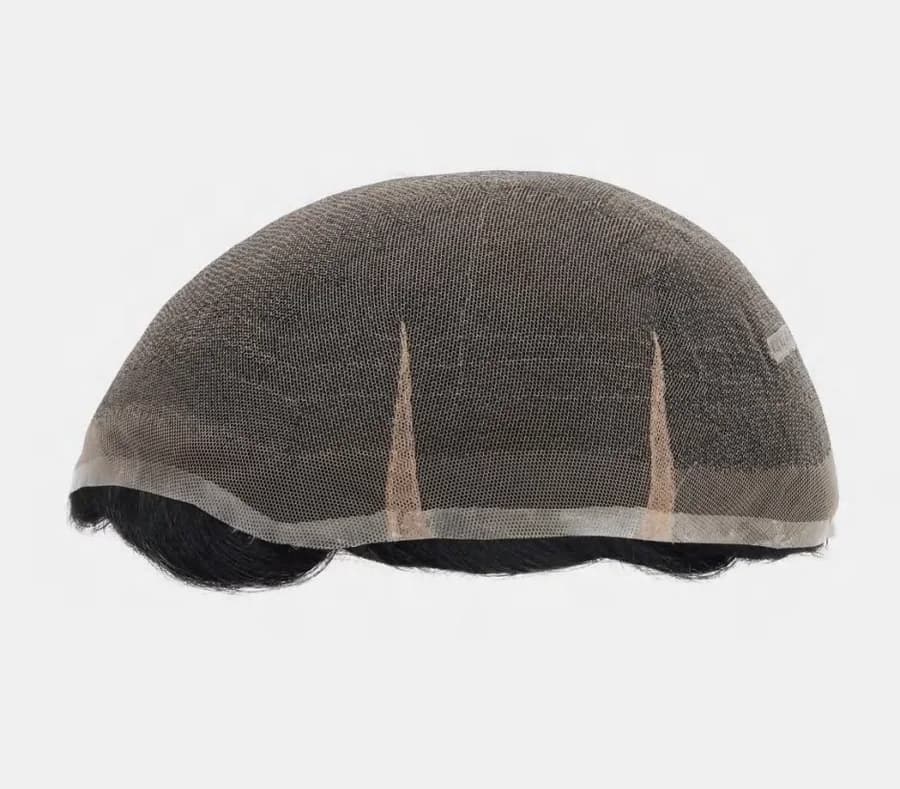
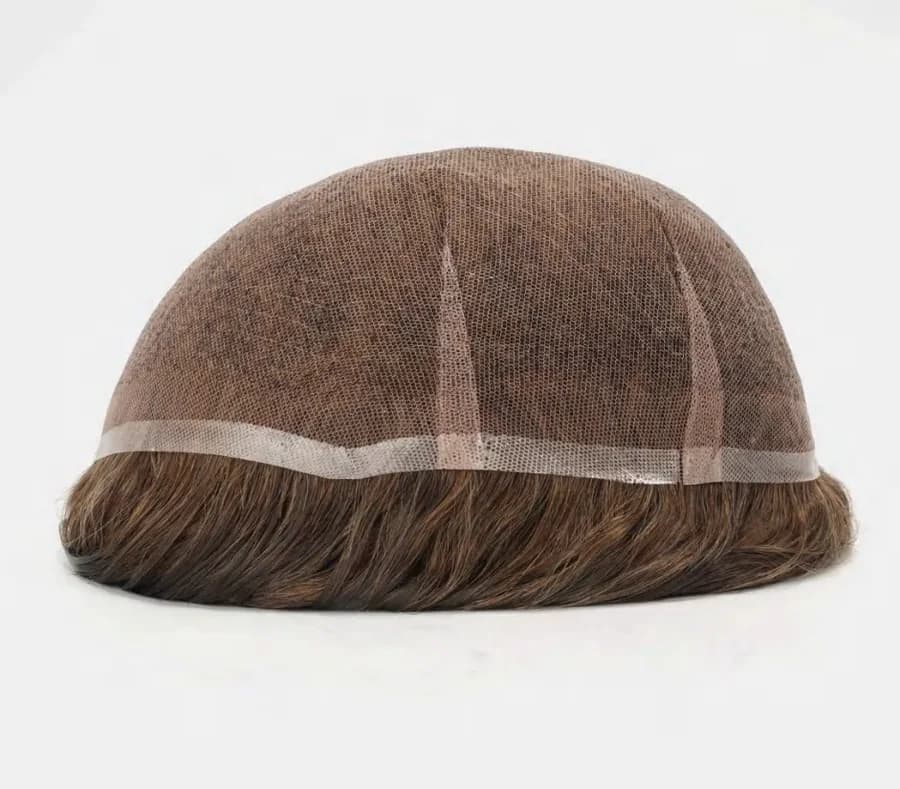
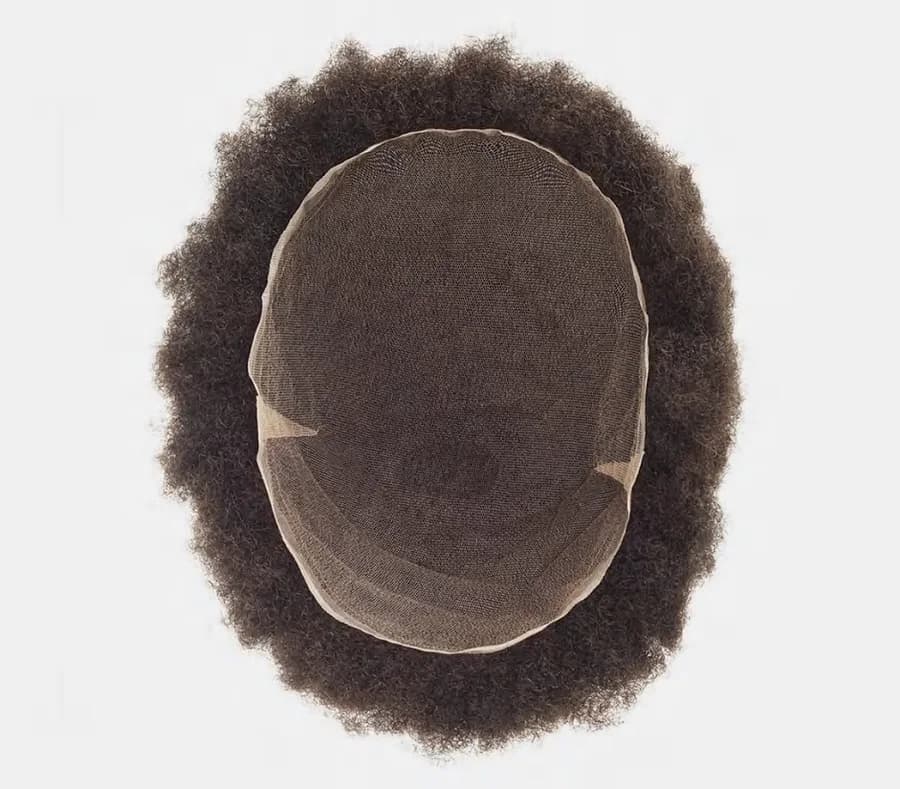
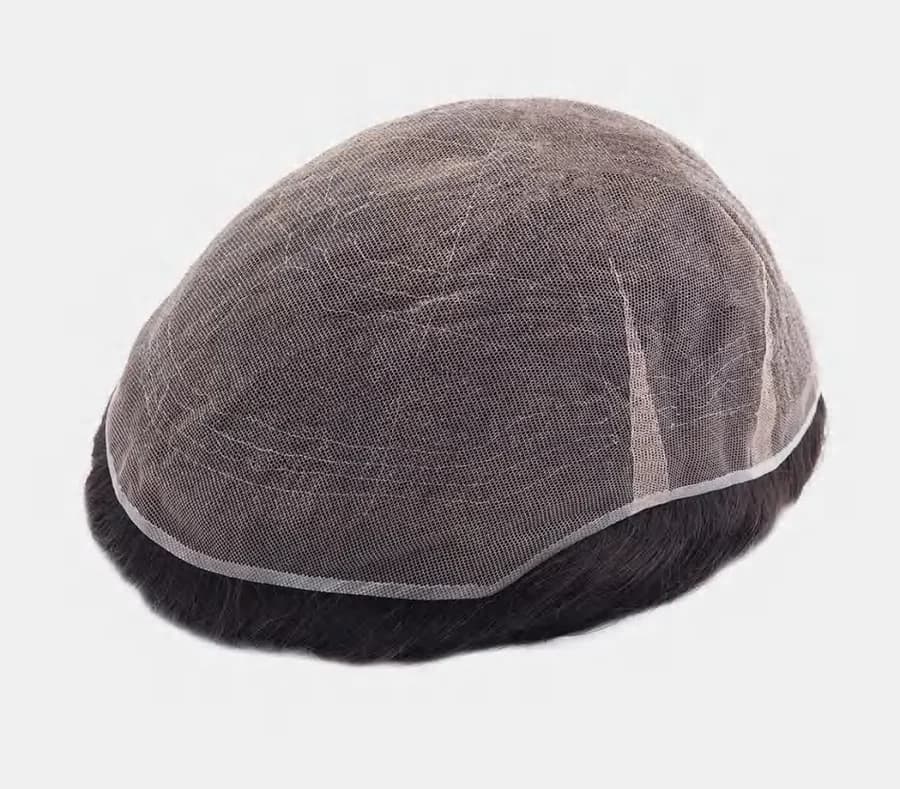
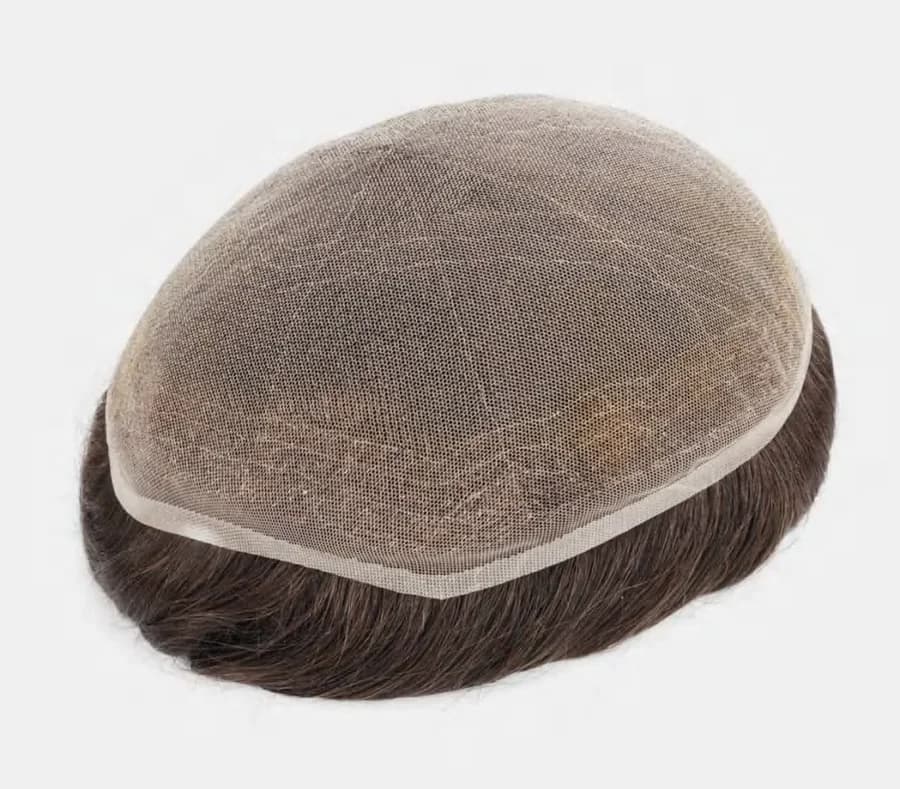
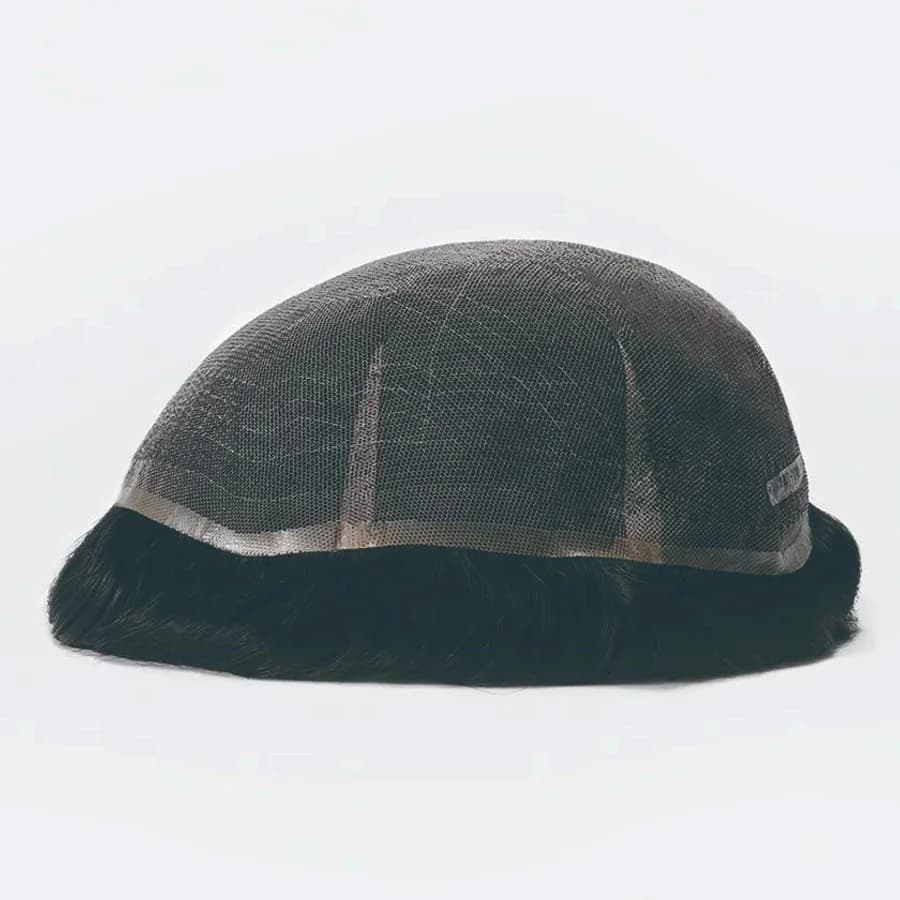
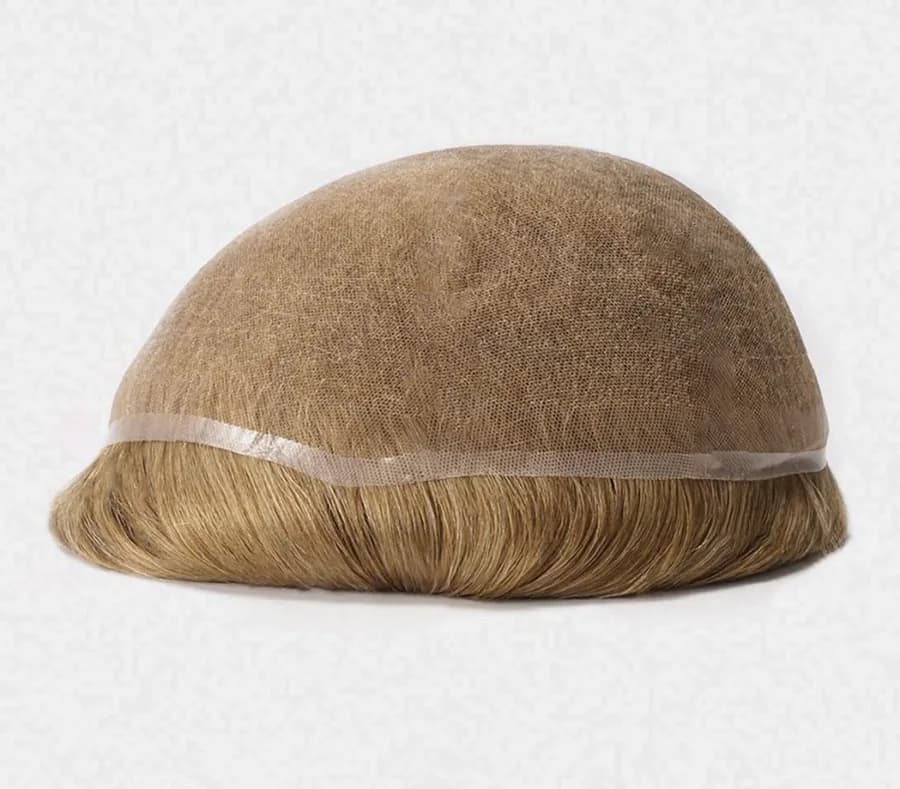
Lace is a woven mesh, and hair is tied into it knot by knot. Because there is more air than material in the base, the scalp underneath shows through and the hairline resolves as individual hairs emerging from skin rather than as an edge. It is the construction to choose if you wear your hair back off the face, or if you live somewhere hot enough that a solid base becomes uncomfortable.
Best for
- Swept-back styles and any look with an exposed hairline
- Hot climates and anyone who runs warm
- Wearers who prioritise how the front looks under direct scrutiny
- Long wear between re-bonds, where breathability matters most
Where it gives ground
- More care needed at attachment and during cleaning than a skin base
- Not the best choice for heavy swimming
- Swiss lace is finer and more natural than French, and correspondingly more delicate
French lace or Swiss lace?
Swiss is the finer of the two. It disappears more completely and it tears more easily — a fair trade if you handle it carefully and re-bond gently. French lace is a slightly heavier weave: marginally more visible under close inspection, meaningfully more durable in daily use. If this is your first lace system, French is the sensible starting point; move to Swiss once your routine is settled and your hands know what they are doing.
Why the knots matter more than the lace
A lace front only works if the knots are invisible, which is why bleached knots and a correctly graduated hairline matter more than the grade of mesh underneath. Done badly, the front reads as dots on skin and no amount of fine lace rescues it. Every lace system we sell has a hand-tied, knot-bleached front as standard, and the specification sheet on each product page states the knotting method used.
Living with lace
Lace asks more of you than skin does. Adhesive works into the mesh rather than sitting on top of it, so cleaning is slower and more deliberate, and a careless removal is how fronts tear. In exchange you get a base that breathes through a summer, a hairline that survives being looked at closely, and hair that moves off the front the way growing hair does. Wearers who make the switch to lace rarely go back — but almost nobody should start there.
Frequently asked
Is a lace hair system more breathable?+
Yes, and it is the main practical reason to choose one. A lace base is mostly open mesh, so heat and moisture pass through instead of being trapped against the scalp. In a hot climate, or for anyone who runs warm, that difference is significant over a full day.
How fragile is Swiss lace?+
Fragile enough to respect, not so fragile that it is impractical. Swiss is finer than French and tears more easily at the front edge, usually during removal rather than wear. Use a proper solvent, take your time, and it will serve you well. If you would rather not think about it, choose French lace.
Can I swim with a lace system?+
You can, but it is not what lace is for. An open mesh holds water and takes longer to dry, and repeated soaking is hard on a bond. If you swim regularly, a thin skin base is the better tool for the job.
Read Before You Choose